
Moving Tips
Moving Gym Equipment Yourself vs Hiring Movers: Which Fits Your Setup?
Written by:
Advanced Technical Moving Team
Published:
October 28, 2026
Comparing DIY vs professional help for moving gym equipment on time, effort, risk and fit, so you can pick the right approach for your home gym.
Moving gym equipment yourself works fine for a treadmill and a few dumbbells going down one flight of stairs. It stops working well once you're dealing with a loaded power rack, a cast iron plate tree, or a pool table that has to come apart and go back together on the other end. The right choice comes down to four things: how much time you have, how much physical effort you're able to put in, how much risk you're willing to take with your floors, your back, and the equipment itself, and whether your situation actually fits a DIY approach in the first place.
This isn't a universal answer either way. Some home gyms move fine with a dolly, a friend, and an afternoon. Others are exactly the kind of large, heavy, awkwardly shaped items that turn into a bad day fast. Here's how the two options actually compare.
How Do DIY and Professional Movers Compare on Time?
DIY almost always takes longer per item, even though it can start sooner. You're working around your own schedule, borrowing or renting equipment, and figuring out disassembly steps as you go instead of already knowing them. Professional movers typically move a comparable load faster because the crew has done the lifting, wrapping, and loading sequence before and isn't improvising it.
Where DIY can win on time is scheduling flexibility. You can start packing up a bench or disassembling a rack the moment you're free, without waiting on an appointment window. If your move date is firm and your gym equipment is a small part of a larger move, folding it into professional help for the whole move often saves more total time than handling it as a separate project.
Rule of Thumb for Planning Time
As a rough guide, allow about half a day to disassemble, wrap, and load a full home gym setup (rack, bench, plates, and a cardio machine) if you're doing it yourself with one other person. A trained crew usually works through the same equipment considerably faster because the steps are routine for them.
Which Option Takes Less Physical Effort?
Hiring movers removes almost all the physical strain from you. A loaded rack, a cast iron plate stack, or a pool table slate section is heavy, awkward, and unforgiving if you lose your grip, and a crew trained in safe lifting technique carries that risk instead of you. DIY means you're the one bending, carrying, and holding weight at odd angles, often more than once if something doesn't fit through a doorway on the first try.
If you're moving a few lighter pieces, like resistance bands, light dumbbells, or a folding bench, the effort difference is small and DIY is reasonable. The gap widens fast with anything over roughly 100 pounds per piece, or anything that has to be carried up or down stairs. The Occupational Safety and Health Administration publishes general guidance on safe lifting and ergonomics that's worth reading before you attempt heavy gym equipment on your own, even with help.
What's the Real Risk to Your Equipment and Your Home?
The main risks with gym equipment are dropped weight damaging floors or feet, racks or benches getting scratched or bent during a tight doorway turn, and cast iron plates chipping tile or concrete if they slip. DIY moves carry more of this risk simply because the people doing the lifting are less practiced at judging angles, pivot points, and weight distribution under load.
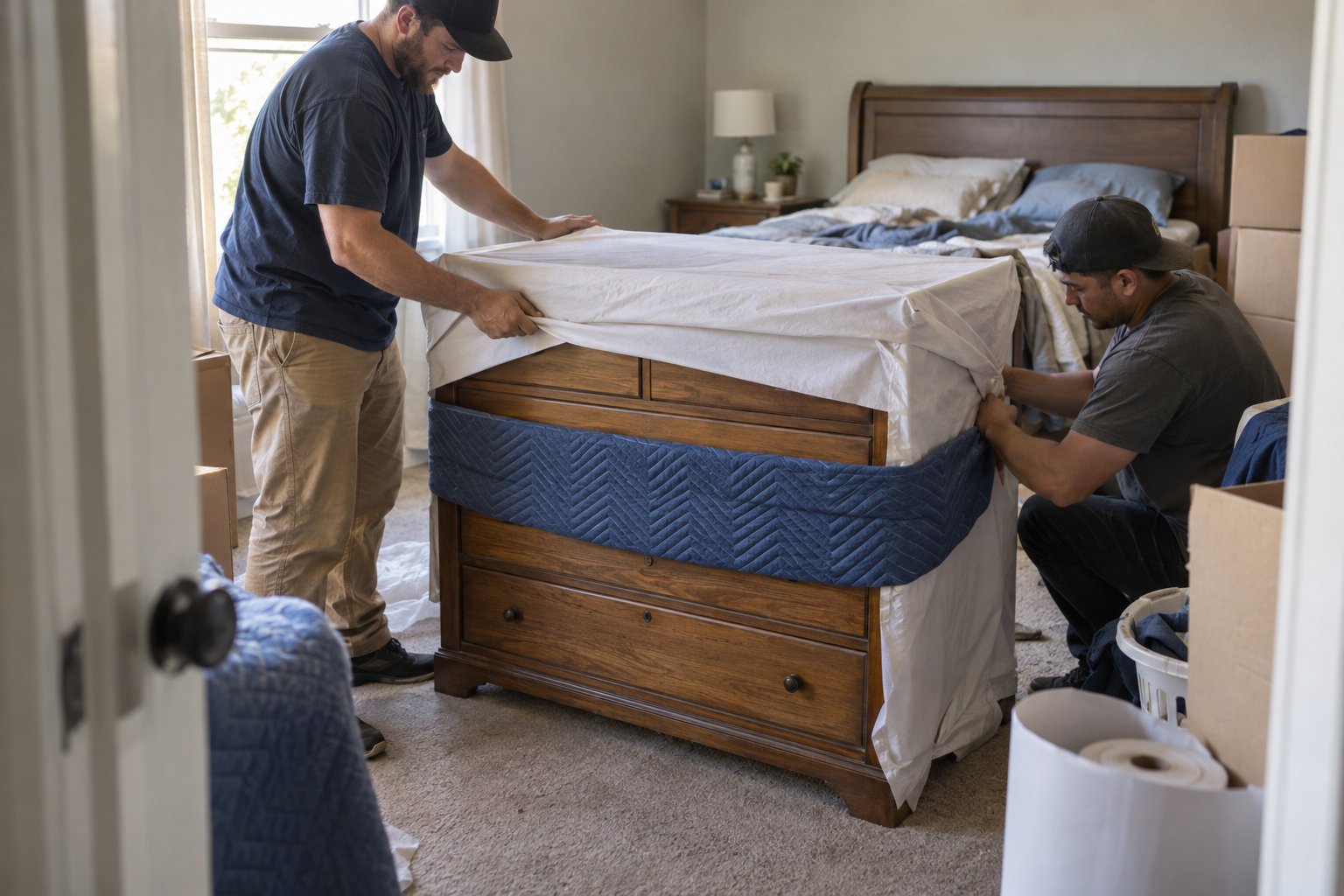
Professional movers reduce this risk with floor protection, furniture pads, and proper technique for carrying heavy, unevenly weighted items through doorways and stairwells. That matters most for pieces like a loaded pool table, a full power rack, or a heavy cardio machine, where one bad angle can mean a dented wall or a dropped plate. For lighter, simpler equipment, the risk gap is much smaller and DIY is a reasonable bet.
Who Actually Suits Each Approach?
DIY generally suits a smaller home gym: a bench, an adjustable rack, a few hundred pounds of plates, and a short, simple move with no stairs or tight turns. If that describes your setup and you have a helper and basic tools, moving it yourself is a reasonable use of a weekend.
Hiring movers suits anything heavier, anything that needs to come apart and go back together precisely (cable machines, multi-station gyms, pool tables), or any move involving stairs, long carries, or tight doorways. It also suits anyone who would rather not risk an injury handling weight that doesn't have convenient handles. If your gym equipment is moving alongside the rest of your household, it often makes sense to have the same crew handle large and specialty items rather than running two separate moving days.
Our Recommendation for Most Home Gyms
For the most common case, a mixed home gym with at least one heavy, awkward piece (a rack, a multi-station machine, or free weights totaling several hundred pounds), hiring movers is the better fit. The time saved and the reduced risk to your equipment, your floors, and your back usually outweigh the effort of doing it yourself, especially if stairs or doorways are involved anywhere in the move.
If your equipment is light, your move is short, and nothing has to be disassembled, DIY remains a perfectly good option. Use the comparisons above, not the size of your gym alone, to decide which path fits your actual situation.
Planning the Move Itself
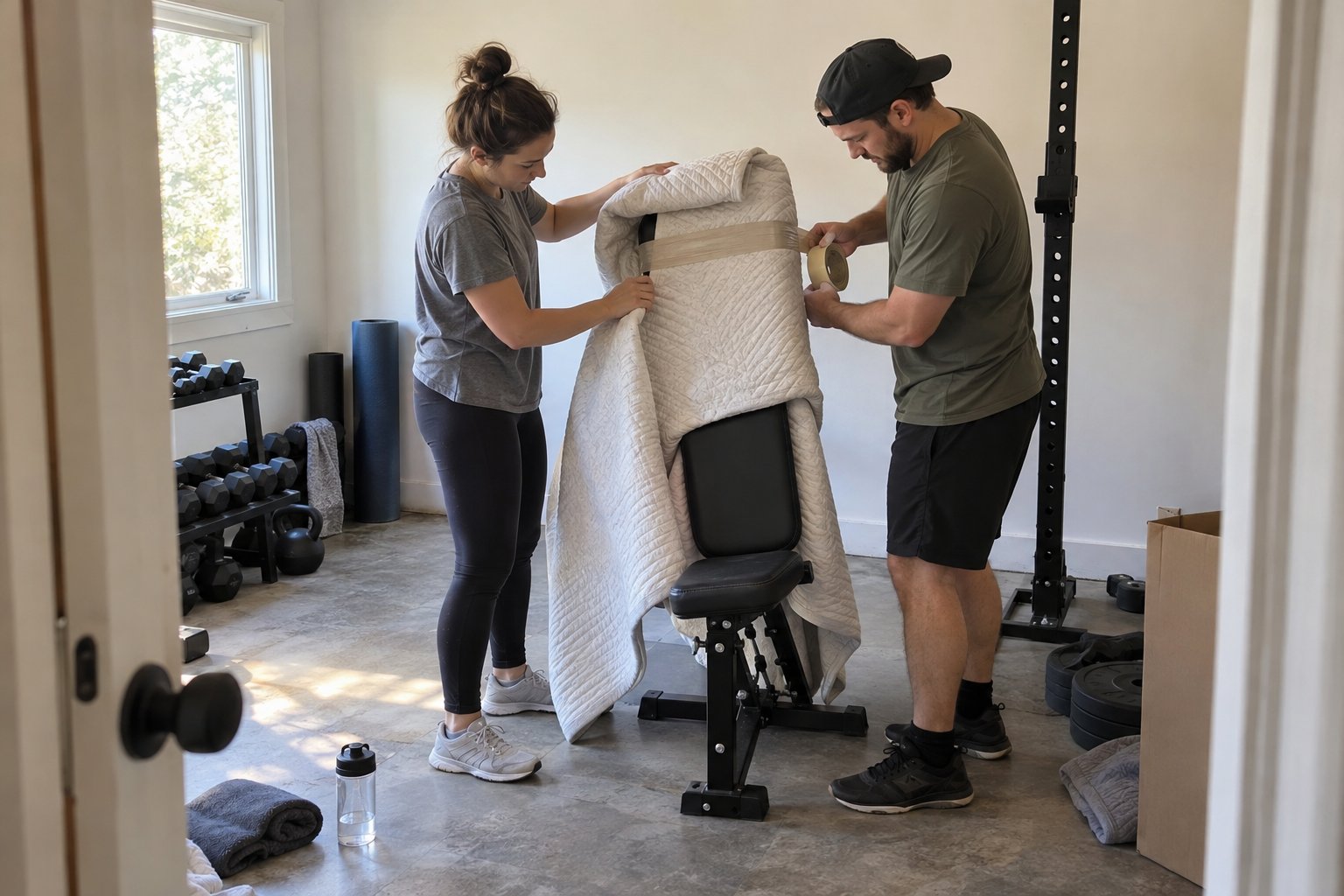
Whichever way you move your equipment, treat it as its own packing project rather than an afterthought on moving day. Group small parts (bolts, pins, pulley cables) in labeled bags taped to the larger piece they belong to, and photograph any cable or pulley routing before you take a machine apart so reassembly is straightforward. If you decide to bring in help, look at a provider's large and specialty item moving service rather than general labor help, since heavy gym equipment benefits from the same technique used for pianos, safes, and other oversized items.
If your gym equipment is part of a larger household move, it's usually worth coordinating it with your local move rather than scheduling it separately, so the same crew and truck handle everything in one trip. If you have a dedicated home gym space, a quick walkthrough with your moving crew ahead of time about which pieces disassemble and which don't can save real time on the day itself.
Planning your move? Request a quote from Advanced Technical Moving.
Frequently Asked Questions
Do I need to disassemble a power rack before moving it myself?
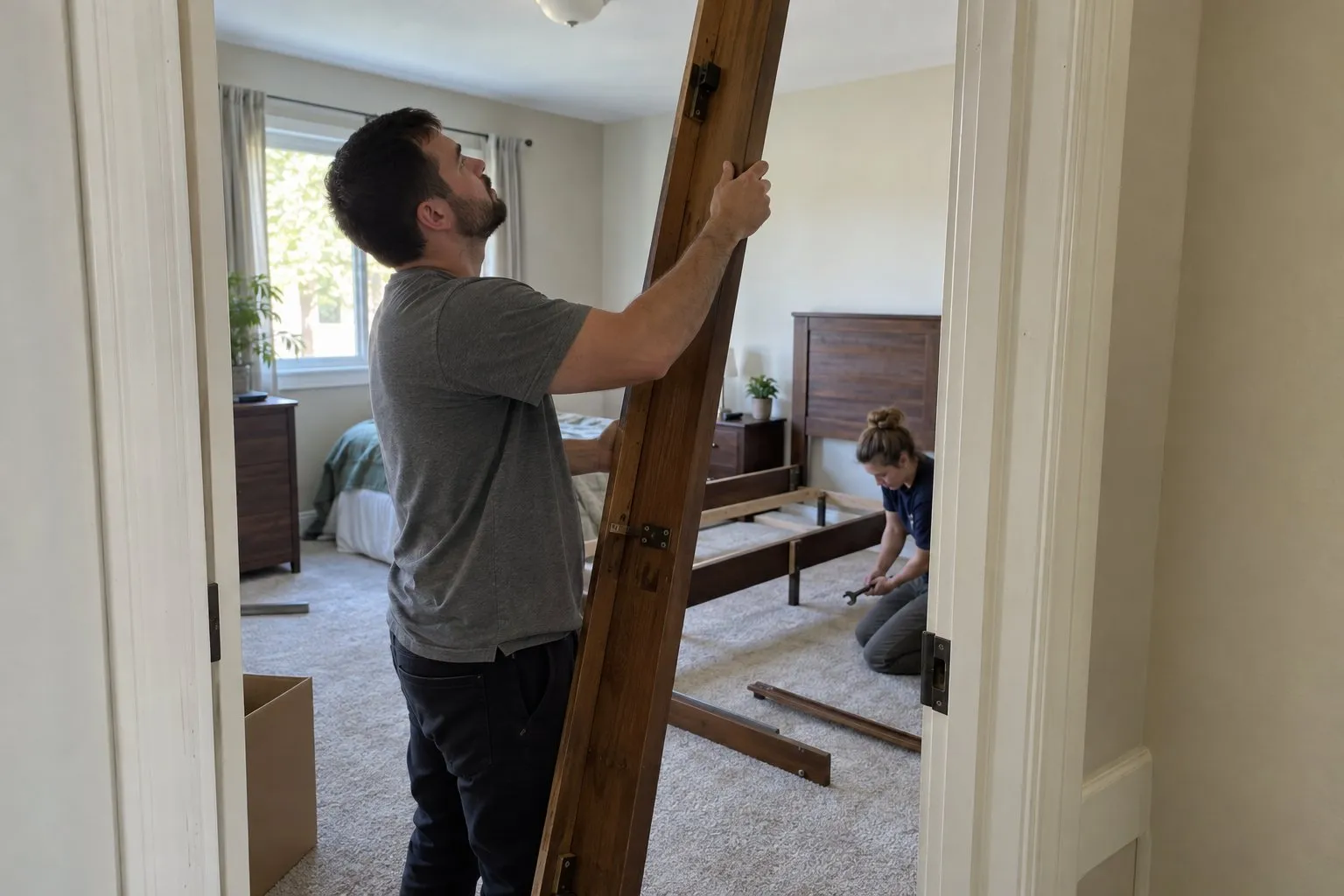
In most cases, yes. A fully assembled power rack is usually too tall, too wide, or too heavy to safely carry through doorways or up stairs. Removing the uprights from the base, taking off attachments like pull-up bars or dip handles, and separating any welded sections where possible makes the move far more manageable.
How should I prepare a treadmill or elliptical for a move?
Fold the deck if it's designed to fold, secure any moving parts with the manufacturer's transport lock if one exists, and wrap exposed console screens and handlebars with moving blankets. Keep the equipment upright during transport rather than laying it on its side, since some motors and belts aren't designed to sit that way for long periods.
What should I tell a moving crew about my home gym before moving day?
Let them know which pieces are fully assembled versus already broken down, whether any machines have cable or pulley systems that need special handling, and roughly how much weight is in loose plates or dumbbells. That gives the crew time to plan the right equipment and carrying approach before they arrive.
Can a pool table be moved a short distance without taking it apart?
It depends on the table and the distance, but most pool tables, even for a short move within the same room or house, do better when the slate, rails, and legs are separated. Slate is heavy and prone to cracking under uneven pressure, and keeping a table assembled while moving it risks exactly that kind of stress.
How long does it typically take to reassemble gym equipment after a move?
A simple bench or adjustable rack usually goes back together in under an hour. Multi-station machines with cable routing or a pool table with slate and felt take longer, often a few hours, especially if you photographed the setup beforehand and are matching it piece by piece.
Let's Get Your Move on the Calendar
Moving to a new home or relocating your business? Whether you're staying in Metro Detroit or moving farther away, Advanced Technical Moving can help you plan the details. Reach out today for a free estimate.